

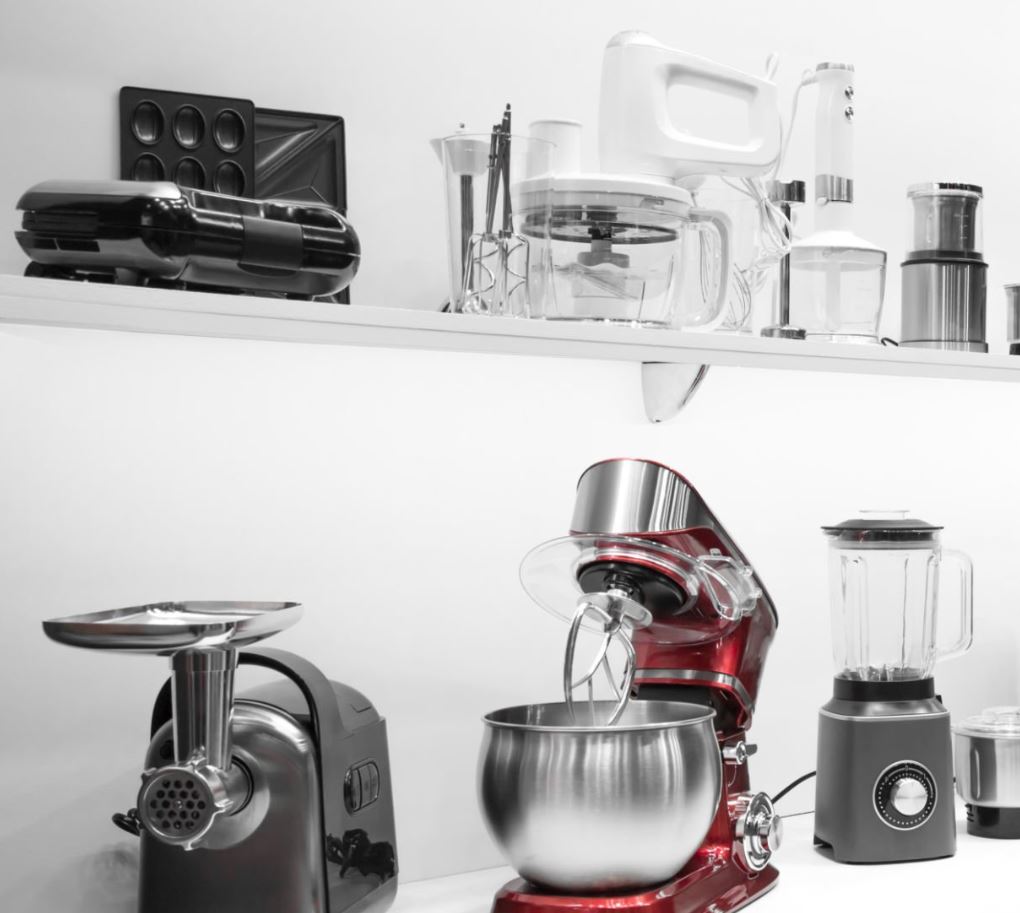
The small appliances market has seen significant growth, driven by technological innovation and rising demand for sustainable, energy-efficient products.
B2B companies seeking to stay competitive in this sector must stay informed of emerging trends and optimize their supply chains to meet the expectations of the modern consumer. Let’s explore the key trends in small appliances and how Cevam Group can help businesses seize these opportunities.
1. Innovation in Small Appliances: Technology That Transforms the Home
Technological advancements are reshaping the small appliances sector, with products becoming increasingly smart and connected. These devices simplify daily tasks while offering greater control and energy efficiency.
Key innovations include:
- Smart appliances: Coffee makers, blenders, and robotic vacuums controllable via mobile apps, allowing remote monitoring and automation.
- Time-saving technology: Products with features such as rapid heating or programmed cooking (e.g., smart kitchen robots) designed for enhanced efficiency.
- IoT-connected devices: Air purifiers and smart refrigerators that communicate with other devices to create a fully integrated digital home ecosystem.
2. Energy Efficiency: A Top Priority for Modern Appliances
Energy efficiency is increasingly important for both consumers and regulatory agencies. B2B companies can stand out by offering small appliances that not only meet energy standards but also deliver excellent value.
Features of energy-efficient appliances:
- A+++ energy rating: Devices that meet the highest energy efficiency standards while maintaining performance.
- Energy-saving functions: Appliances with eco-modes or adaptive operation, such as portable AC units or water heaters.
- Auto shut-off technology: Devices like kettles and irons that turn off automatically when not in use, reducing energy consumption.
3. Sustainability: Small Appliances That Make a Big Difference
Sustainability is a key purchasing factor for today’s consumers. B2B suppliers can gain a competitive edge by offering products that are both efficient and environmentally responsible.
Examples of sustainable appliances:
- Appliances made from recycled materials: Toasters, blenders, and juicers manufactured with recycled components to reduce carbon footprint.
- Long-lasting design: Durable products that reduce the need for frequent replacement.
- Eco-friendly packaging: Reduced plastic use and recyclable or biodegradable materials to minimize environmental impact.
4. Customization and Adaptability Across Market Segments
The B2B small appliance sector is diverse, and demand varies across different market segments. Product customization is a key strategy to cater to various consumer needs — from urban households to corporate environments.
Tailored solutions for specific markets:
- Urban and small homes: Compact, multifunctional appliances such as mini blenders or countertop ovens for limited spaces.
- Premium segment: High-end kitchen robots or air purifiers with advanced features and luxury finishes for a superior experience.
- Corporate market: Practical solutions like automatic coffee machines or smart water dispensers for office environments.
5. Sourcing and Distribution Solutions for Small Appliances
To thrive in a competitive market, B2B companies must streamline their supply chains. Cevam Group offers sourcing solutions that ensure efficient inventory management and timely delivery of small appliances.
Our distribution strategies include:
- Partnerships with key suppliers: Collaborating with leading manufacturers to ensure consistent, high-quality supply.
- Flexible logistics: Scalable distribution models that adapt to demand levels, whether for large retail chains or smaller distributors.
- Market trend monitoring: We track regional consumer trends to help businesses stock in-demand products.
6. Trends and Innovations in the Small Appliance Sector
The small appliance industry is evolving rapidly, and B2B businesses must be ready to adapt. Technology, sustainability, and demand for high-efficiency products are driving innovation.
Top small appliance trends for 2024:
- Healthy cooking: Growing demand for air fryers, steamers, and multifunction ovens that support healthier lifestyles.
- Home automation: Devices that integrate with smart home systems, allowing users to control them via smartphone or voice assistant.
- Portable appliances: Products like handheld vacuums, rechargeable fans, and compact air purifiers that offer flexibility and convenience.
Expand Your Business with Cevam Group
The small appliances sector offers wide-ranging opportunities for B2B companies aiming to stand out in a competitive landscape. From smart devices to sustainable and energy-efficient products, Cevam Group provides the sourcing solutions you need.
Our strategic partnerships with manufacturers and global distribution expertise enable us to deliver the most innovative products, tailored to modern consumer demands.
If you’re looking to expand your small appliance offering, Cevam Group is the strategic partner to help you achieve your goals.
Frequently Asked Questions (FAQ)
What types of small appliances does Cevam Group offer? We offer a wide variety, including smart coffee machines, robotic vacuums, air fryers, and portable air purifiers.
How does Cevam Group ensure the energy efficiency of its appliances? We work with manufacturers who meet strict energy regulations and offer products with A+++ ratings and energy-saving features.
Can I customize appliances to fit my target market? Yes, we offer tailored solutions for various markets — whether you need compact models for urban homes or premium appliances for high-end consumers.